DIY Roof Maintenance Tips for Homeowners
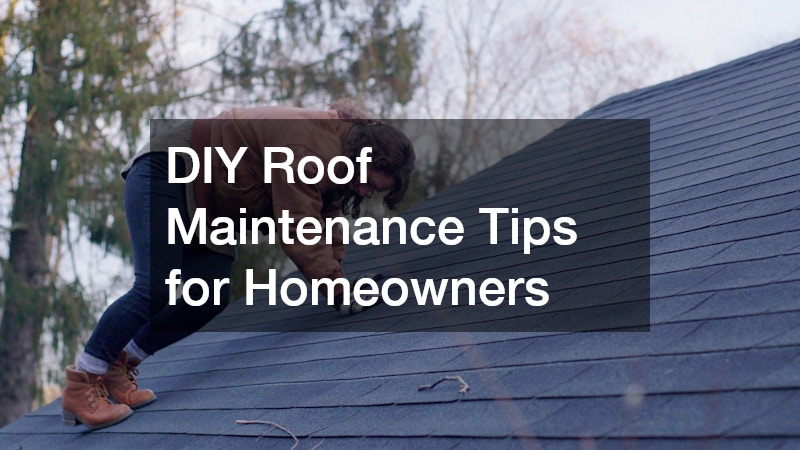
Roof maintenance is a crucial part of homeownership as it helps in preventing costly repairs and extending the lifespan of your roof. This article will guide you through essential DIY tips to keep your roof in good condition.
1. What are the basic steps for maintaining your roof?
1.1 Conducting Regular Inspections
To maintain a healthy roof, regular inspections are necessary. Look for missing or damaged shingles, as they can lead to leaks and further deterioration.
Catching these issues early can save you time and money in the long run. Inspections should also include checking for signs of moss and algae, which can damage roofing materials. Adequate inspections help you keep your roof in optimal condition, preserving its structural integrity.
1.2 Cleaning Gutters and Downspouts
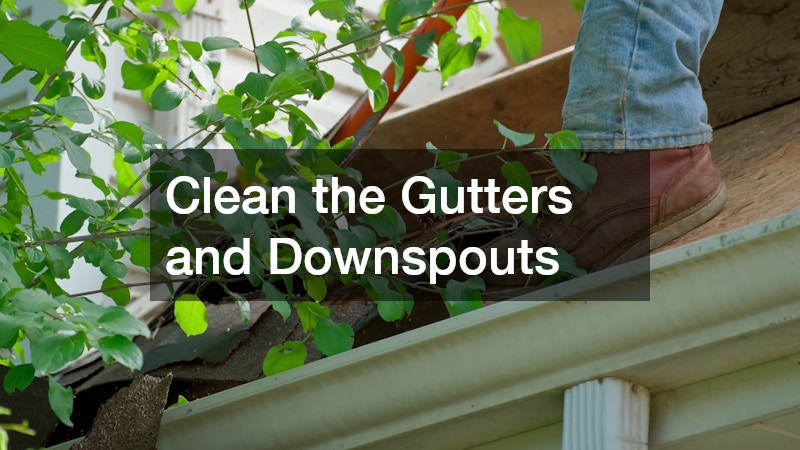
One of the basic steps in roof maintenance involves clearing debris from gutters and downspouts. Blocked gutters can lead to water accumulation, causing significant damage both to the roof and the home’s foundation. Gutter cleaning should be part of your routine maintenance schedule to ensure water flows freely. Use a ladder and appropriate tools to safely remove leaves and other debris. Regular cleaning reduces the risk of water damage and prevents costly repairs.
1.3 Trimming Overhanging Branches
Overhanging branches pose a significant risk to roofs, especially during storms. They can scrape surfaces and even break, causing damage. Trimming these branches is a straightforward DIY task that can prevent such issues. Use proper tools and safety precautions when working on a ladder. This preventative measure not only protects your roof but also contributes to your property’s overall safety.
1.4 Removing Debris
Keeping your roof free from debris is essential in maintaining its lifespan. Leaves, sticks, and other elements can trap moisture and cause rot. Regularly clearing these debris prevents water from pooling and hurting your roofing materials. Ensure safety by using appropriate methods like using a roof rake on low-slope roofs. Regular care is a simple yet effective way to protect your investment.
1.5 Checking for and Sealing Leaks
Identifying leaks early is crucial in roof maintenance. Look for water stains on ceilings or walls, as these are common indicators. Once identified, use quality sealants to fix minor leaks and prevent further damage. Prompt attention to these issues can save on expensive repairs down the road. Sealing leaks quickly is a cost-effective solution in your roof maintenance arsenal.
2. How often should you perform roof maintenance?
2.1 Seasonal Maintenance Routines
Each season brings unique challenges to roof maintenance. In fall and spring, focus on cleaning gutters and checking for debris. During winter, watch for ice dams that can build up. Summer is the ideal time for thorough inspections since the roof is generally dry. Adapting your maintenance to the seasons can reduce wear and tear, prolonging the life of your roof.
2.2 Importance of Post-Storm Inspections
Post-storm inspections are vital for assessing potential roof damage. High winds and heavy rain can displace shingles and cause leaks. By examining your roof after severe weather, you can spot and fix issues before they exacerbate. Look for loose shingles or debris that may have affected your roof’s integrity. Regular post-storm checks are a key preventive measure.
2.3 Understanding Weather Patterns
Adjusting your roof maintenance schedule according to local weather patterns is essential. Areas with frequent rain may require more attention to gutters and potential leaks. Conversely, arid regions might focus on inspecting for sun damage on shingles. Tailoring your approach to local conditions helps maintain optimal roof health throughout the year. Awareness and adaptation are crucial components of effective roof care.
2.4 Annual Professional Inspections
While DIY inspections are valuable, professional assessments are necessary annually for comprehensive care. Experts can identify subtle issues overlooked by untrained eyes. An annual checkup by a professional ensures your roof is maintained thoroughly and accurately. Their expertise can provide peace of mind and prevent small issues from becoming large repairs. Partnering DIY with professional insights offers a balanced maintenance strategy.
2.5 Frequency of Gutter Cleaning
The frequency of gutter cleaning can vary based on environmental factors. In areas with dense tree coverage, cleaning might be needed more often—at least twice yearly is recommended. Neglecting gutter maintenance can lead to significant roof and property damage. Regular cleaning, especially in autumn when leaves fall, is essential. Consistent care is key in sustaining a clear drainage path and protecting your home.
3. What tools and materials are required for roof maintenance?
3.1 Essential Safety Gear
When performing roof maintenance, safety should always be a priority. Essential safety gear includes a sturdy harness, secure helmet, and durable gloves. Ensuring you are adequately protected helps prevent accidents on slippery or unstable surfaces. Such gear is readily available and an indispensable investment for any DIY enthusiast. Prioritizing safety equipment enhances both efficacy and confidence during maintenance tasks.
3.2 Basic Roofing Tools
A variety of basic tools are required for effective roof maintenance. Items such as ladders, hammers, and brooms form the backbone of your toolkit. Ladders should be stable and reach comfortably to your work area while brooms help clear debris efficiently. Incorporate a basic toolkit alongside your regular inspections. Having the right tools at hand can simplify tasks, making maintenance more manageable.
3.3 Recommended Cleaning Equipment
Maintaining a clean roof often requires specific cleaning equipment. Utilize hoses and sprayers to help remove stubborn buildups. Gentle cleaners are best when addressing stains or algae, to avoid damaging the roof material. Most of these supplies are affordable and can be sourced from local hardware stores. Equipping yourself with the right cleaning tools aids in maintaining a spotless and damage-free roof.
3.4 Sealants and Repair Materials
Sealants and repair materials play a pivotal role in roof maintenance. A range of sealants is available for addressing minor leaks and cracks. Investing in quality products ensures repairs are long-lasting. Accessory items like roofing nails and patches can also prove beneficial. Having a stockpile of essential repair materials allows for quick response to any emergent maintenance needs.
3.5 Protective Clothing
Proper clothing is essential when conducting roof maintenance. Wear lightweight yet durable attire to protect against scratches and UV rays. Non-slip footwear is important for maintaining stability on the roof’s surface. Apparel that offers both comfort and protection ensures an efficient and safe working environment. Preparedness with the right clothing follows the safety-first mantra of DIY maintenance.
4. What are some affordable remedies for common roofing problems?
4.1 Repairing Shingles
Over time, shingles can become damaged due to weather and wear. Replacing or repairing these can be done affordably with the right supplies. Purchase replacement shingles that match your existing roof to maintain a consistent appearance. A few essential tools, such as a hammer and nails, enable quick fixes. Addressing shingle damage promptly can prevent rain and wind from causing further issues.
4.2 Fixing Gutter Problems
Gutters are prone to sagging and leaks, especially without regular maintenance. Aluminum hanger kits can help reinforce weak sections and are an inexpensive fix. For leaks, a simple application of waterproof sealant can resolve the issue. Keep in mind that preventive measures, like regular cleaning, minimize such problems. Affordable remedies for gutter issues are key to maintaining proper water flow.
4.3 Addressing Moss and Algae Growth
Moss and algae can compromise the longevity of a roof if not addressed. Homeowners can use specialized solutions easily available at gardening stores to manage growth. Spraying these with a pump sprayer can inhibit growth while preserving shingle integrity. Reaching these areas safely involves using appropriate ladders and rakes. Affordable and efficient, such solutions keep your roof looking and functioning well.
4.4 Dealing with Roof Leaks
Roof leaks are troublesome, but low-cost solutions exist. Applying tar to the affected area can act as a temporary seal until more permanent repairs are made. Ensure that the roof surface is dry before attempting any sealant application. Regular inspections help in identifying potential leaks early, further reducing costs. Proactive management of leaks with cost-effective methods prevents water damage inside the home.
4.5 Insulating the Attic
Proper insulation is crucial in preventing heat loss and protecting the roof structure. Affordable insulation materials consider both efficacy and budget. Such materials often contribute to improved energy savings throughout the home. Installation can be a DIY project with the help of online guides and a little research. Adequate insulation solutions enhance roof protection and offer economic benefits.
5. How can DIY roof maintenance save you money?
5.1 Cost Comparison: DIY vs. Professional Services
When comparing DIY to professional services, cost savings are compelling. Doing your maintenance avoids labor costs, which can add up quickly. While professionals bring expertise, many tasks can be performed by homeowners with ample instruction. Guided tutorials and readily available resources empower homeowners to tackle tasks themselves. The financial advantage and increased knowledge are significant incentives to opt for DIY.
5.2 Preventative Measures to Avoid Expensive Repairs
Committing to preventative measures ensures early detection of potential issues. Regular inspections and cleaning habits prevent small problems from escalating. For example, clearing gutters frequently reduces the risk of costly water damage. Investing in preventive maintenance delivers dividends in the form of saved time and money. A proactive approach is economically favorable for homeowners.
5.3 Extending Roof Lifespan
Well-maintained roofs boast significantly longer lifespans. Regular care, such as clearing debris and resealing, preserves the roof’s structural integrity. Avoiding neglect ensures the roof reaches its full potential, deferring replacement costs. With a longer-lasting roof, homeowners can redirect their budget to other necessary home improvements. The focus on extending the roof’s lifespan is both practical and financially advantageous.
5.4 Energy Savings and Efficiency
Maintenance not only ensures a longer lifespan but also contributes to energy efficiency. A well-maintained roof aids in maintaining indoor temperature, leading to reduced energy consumption. Insulation and proper sealing play a role in keeping energy bills low. Such benefits are achievable through diligent upkeep and attention to roof conditions. Energy efficiency presents a notable cost-saving incentive in roof maintenance practices.
5.5 Tips for Cost-Effective Materials
Choosing cost-effective materials can make DIY roof repairs and maintenance more feasible. Shop around for sales at local hardware stores or explore bulk purchase options online. Consider recycled materials when available, as they can reduce costs without compromising quality. Cost-effective solutions make roof care accessible to a wider range of homeowners. Savvy material selection ensures budget-friendly and effective maintenance outcomes.
Regular roof maintenance doesn’t just protect your home; it also provides significant cost savings over time. With the right tools and knowledge, homeowners can ensure their roofs remain in excellent condition without breaking the bank.